
By Greg Vandecar
When a lightweight aluminium assembly needs several strong joints, enclosed features or a reliable seal, the joining method matters as much as the individual parts. Aluminium salt bath dip brazing can bring these requirements together in one controlled process. For engineers and buyers, its appeal lies in the combination of design flexibility, efficient assembly and dependable joint performance.
What is aluminium dip brazing?
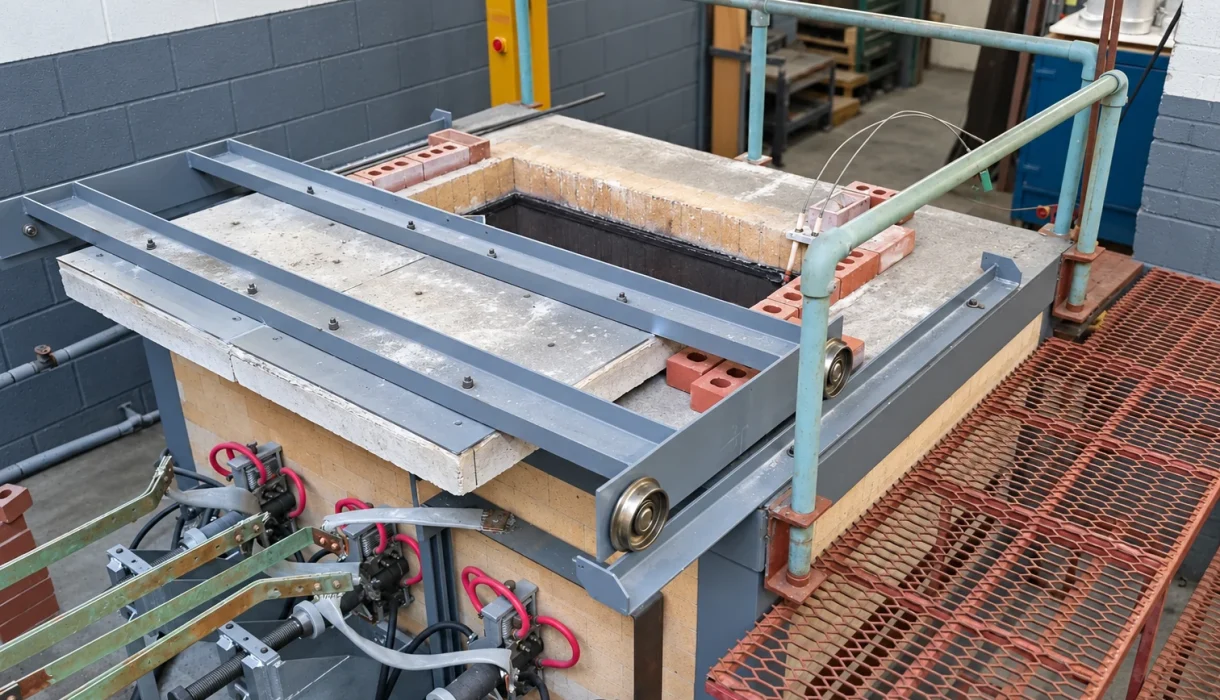
Preassembled aluminium parts, positioned with a suitable brazing filler, are immersed in a heated salt bath. The bath supplies heat and acts as a flux. The filler melts and flows through closely fitted joints by capillary action, while the parent aluminium remains solid. After cooling, the assembly is thoroughly cleaned to remove residual salts.
This approach allows many joints to be completed during the same heating cycle, including features that would be difficult to reach individually.
1. Cost-effective tooling and assembly
Dip brazing can use relatively simple fixtures, particularly when components are designed to locate and support one another. This can reduce investment in dedicated tooling and make design changes easier between prototypes and production. Joining several interfaces together also reduces the need for separate joining operations. Actual savings depend on part geometry, preparation, inspection and production volume.
2. Lightweight, complex structures
Aluminium is well suited to applications where mass matters. Dip brazing enables designers to combine machined details, thin sheet and other compatible aluminium components into an integrated assembly. Rather than machining every feature from a large solid billet, it may be possible to build the required geometry from simpler parts, reducing material removal and opening up more design options.
3. Strong, continuous joints
A well-designed brazed joint forms a metallurgical bond across the mating surfaces. Lap joints can provide useful bonded area and load distribution. However, joint strength is not automatically equal to the original base material: it depends on alloy selection, filler, clearance, joint geometry and the final material condition. Lucas Milhaupt’s brazing guidance highlights these variables when assessing joint performance.
4. Leak-tight assemblies and thermal management
Continuous joints can support sealed enclosures, cold plates and liquid-cooled structures. They can also provide conductive paths for heat and electricity, while continuous enclosure seams can contribute to electromagnetic shielding. These benefits are especially relevant to electronics and demanding cooling applications. Leak tightness, pressure resistance and shielding performance should be specified and verified on the finished assembly, rather than assumed from the process alone.
5. Controlled distortion
The salt bath heats the assembly broadly and evenly, which can help reduce the local temperature differences associated with concentrated welding heat. This supports the manufacture of intricate shapes and assemblies containing different section thicknesses. Distortion is still possible, so fixtures, heating, cooling and any final machining must be considered together. Mech-Tronics’ design guidance also notes that brazing temperatures affect aluminium’s material condition.
6. Flexibility across demanding industries
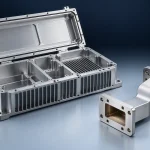
Potential applications include electronics chassis, instrument housings, waveguides and heat-management assemblies for aerospace, telecommunications, medical equipment, motorsport and defence. The process can accommodate joints in several planes and locations that are difficult to access using other joining methods. Its suitability must still be checked against the chosen alloy, component size and service requirements.
Design and cleaning make the difference
Good results begin with compatible materials, suitable joint clearances and clean surfaces. Assemblies must allow the salt bath to reach the joints and drain afterwards, with access for thorough post-braze cleaning. Trapped flux residues can cause corrosion, making cleaning particularly important around internal passages and enclosed features. Heat treatment, dimensional inspection, leak testing and finishing should be agreed as part of the manufacturing route.
The European Aluminium Association’s brazing guidance emphasises uniform heating, assembly design and removal of flux residues. Eaton’s dip brazing overview likewise discusses both production benefits and the importance of cleaning access.
Discuss your dip brazing requirements with Sensory Edge
Sensory Edge helps UK and international clients source specialist production partners for aluminium salt bath dip brazing. We can discuss the assembly alongside supporting CNC machining, sheet metal work, finishing and inspection requirements. If you already have components ready for joining, tell us about your free-issue parts so we can review the appropriate next step.
Send your drawings or STEP files, quantities and target delivery date to start a practical conversation about your project.